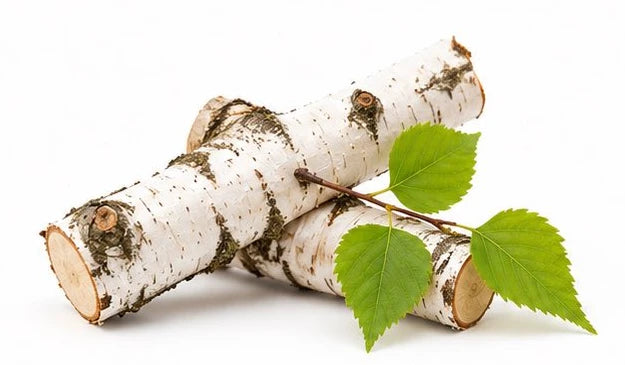
100% XYLITOL-SWEETENED
1,500mg in every piece.
Xylitol isn't just another ingredient in Kaigum. It's our only sweetener.
Chosen for more than its sweetness, with decades of research into its role in oral health.
 Manage subscription
Shop Kaigum
Every meal, snack and coffee feeds the plaque that attacks your oral health
Kaigum is a natural chewing gum that helps your teeth and gums fight back
From £16.65 for a 30-day pouch · about 55p a day
100% xylitol-sweetened · Natural chicle gum base · No aspartame
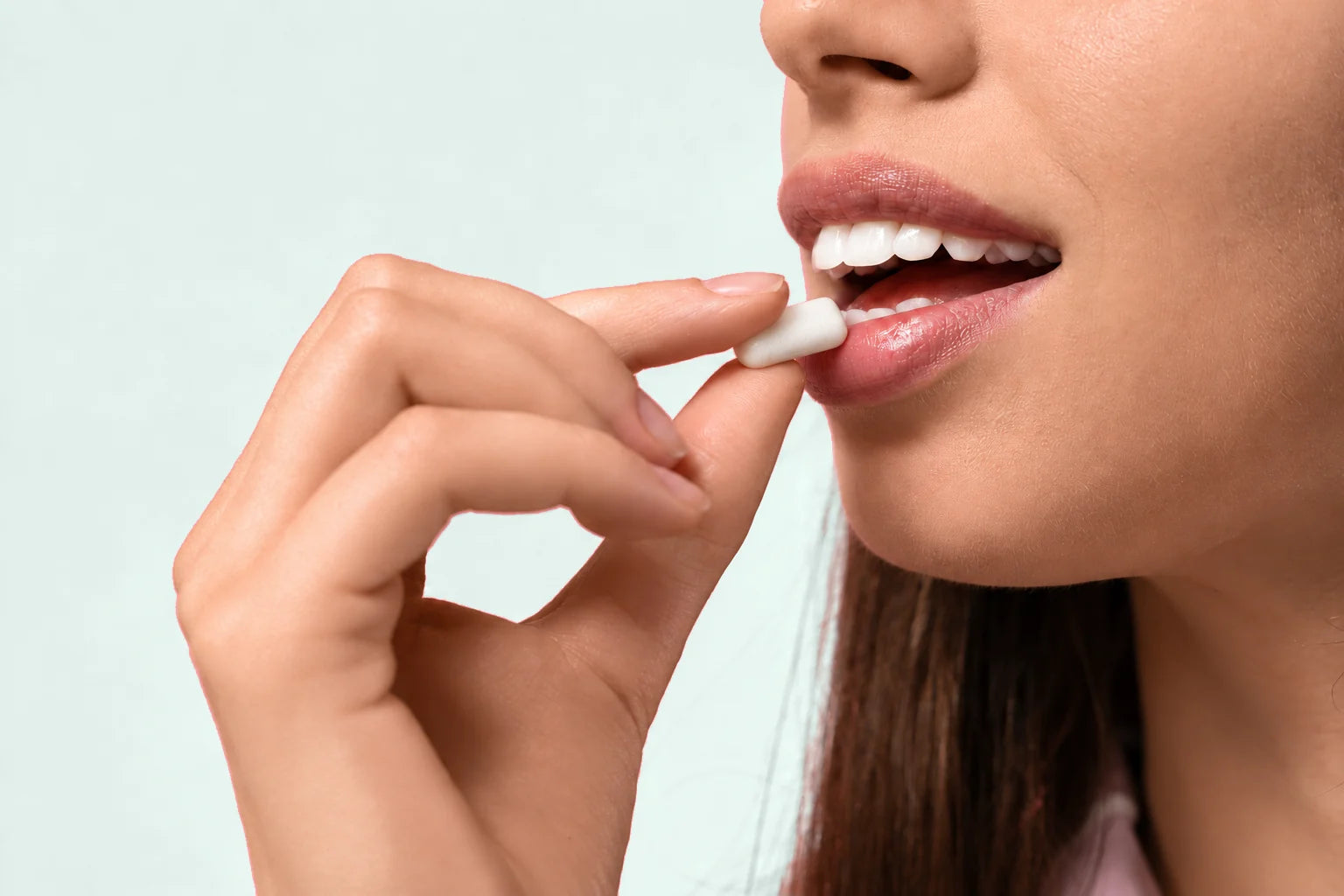
Plaque keeps building between brushes.
And our daily meals, snacks and drinks can fuel repeated acid attacks that weaken enamel.
Over time, that adds up to cavities, sensitive teeth, gum problems and bigger dental bills.
Kaigum gives you a way to fight back throughout the day, rather than simply waiting for your next brush.
Most chewing gum is about fresh breath. Kaigum was created for more.
Purpose-built for oral health, drawing on decades of published research.
You can't brush after every coffee, meal or snack. But you can give your teeth an extra line of defence.
Kaigum makes it easy to look after your teeth wherever the day takes you.

Coffee can make your mouth more acidic. Chewing Kaigum stimulates saliva, helping neutralise acids and restore a healthier pH.
After eating, plaque acids can weaken enamel by drawing out minerals. Chewing stimulates mineral-rich saliva that helps replenish them.
It keeps building between brushes. Regular xylitol gum chewing may help reduce plaque accumulation, supporting your daily brushing routine.
Not all bacteria are bad. But what you feed them matters. Kaigum uses xylitol, which doesn't fuel acid-producing plaque bacteria the way sugar does.
Your day. Your routine. Three chews a day.
Not all chewing gum is made the same. Discover the two ingredients at the heart of Kaigum.
1,500mg in every piece.
Xylitol isn't just another ingredient in Kaigum. It's our only sweetener.
Chosen for more than its sweetness, with decades of research into its role in oral health.
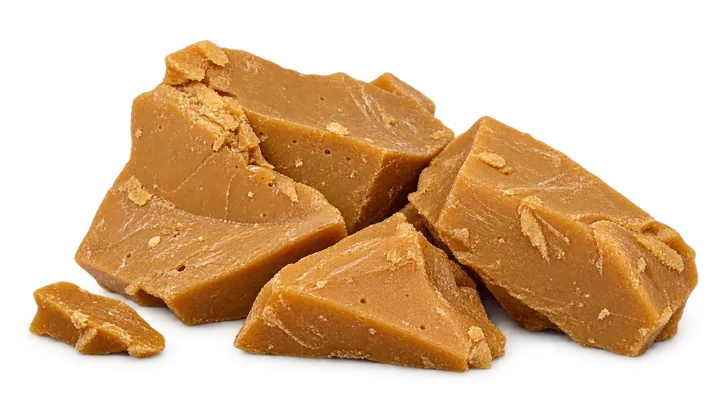
Most gum is made with synthetic plastics. Ours comes from trees.
Conventional chewing gum is usually made with a synthetic, petroleum-derived gum base. Kaigum uses natural chicle, a tree sap, instead.
A better chew, from the base up.
No petroleum-based gum base. No aspartame.
When it comes to your oral health, we believe the details matter.
See how Kaigum stacks up.
| Feature | Kaigum | Conventional Gum | Other Xylitol Gum |
|---|---|---|---|
| 1,500mg xylitol per piece | |||
| Plastic-free gum base | |||
| Aspartame-free | |||
| pH-tested formula |
Looking after your teeth between brushes couldn't be simpler.
No complicated routine. Just an easy way to give your teeth extra care throughout the day.
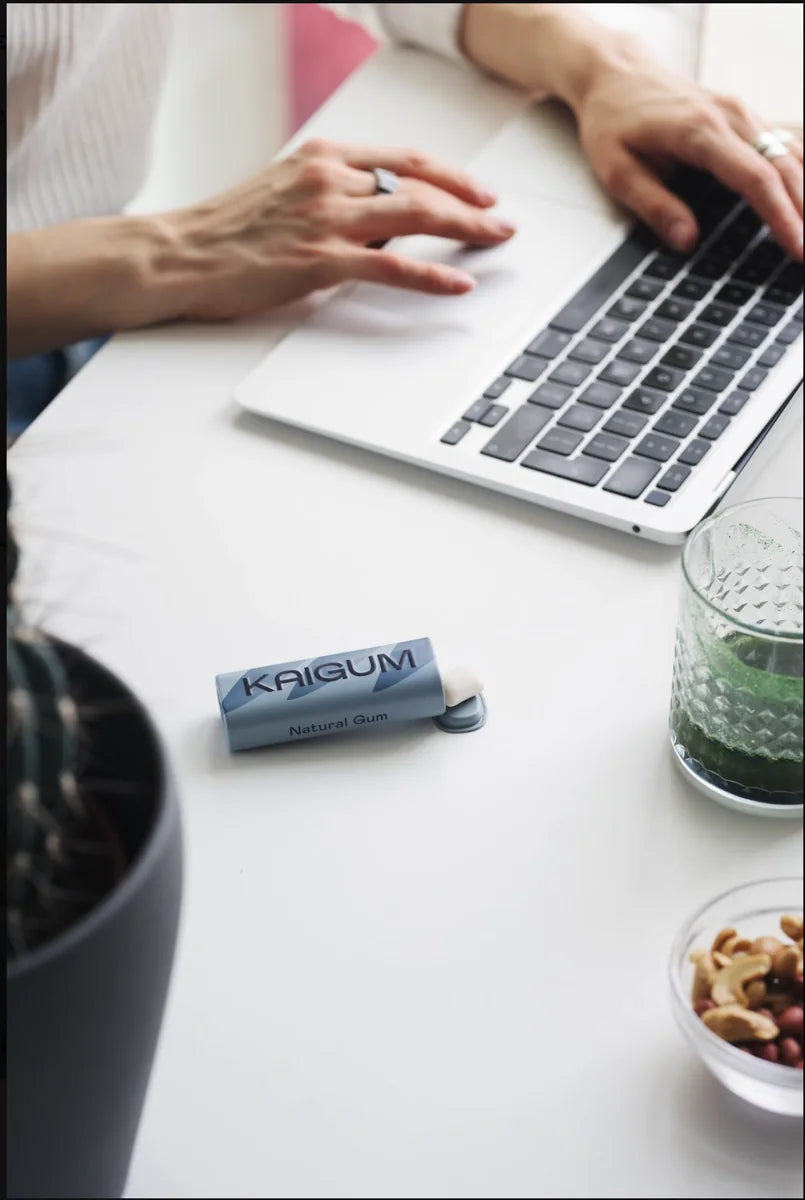
“My dentist was impressed by the dramatic improvement in my oral health.”
Y R
“Finishing breakfast and running out the door now includes popping a piece of gum into everyone’s mouth as we leave the house.”
Jeanne
“Phone, wallet, keys, Kaigum.”
Peter Gibson
Kaigum isn't made just to freshen your breath. It's purpose-built for oral health, with 1,500mg of xylitol in every piece, 100% xylitol sweetening and a natural chicle gum base instead of petroleum-based alternatives.
Chewing sugar-free gum stimulates saliva, helping neutralise plaque acids and maintain tooth mineralisation. Research into xylitol chewing gum has also explored its effects on plaque build-up and bacteria associated with tooth decay.
Most gum uses a cheap synthetic base and very little xylitol. Every piece of Kaigum has 1,500mg of xylitol and a natural chicle base.
At around 55p a day, it costs less than your morning coffee.
We recommend one piece after meals, three times a day, for around 10 minutes each time.
Think of it as an addition to your brushing and interdental cleaning routine, not a replacement.
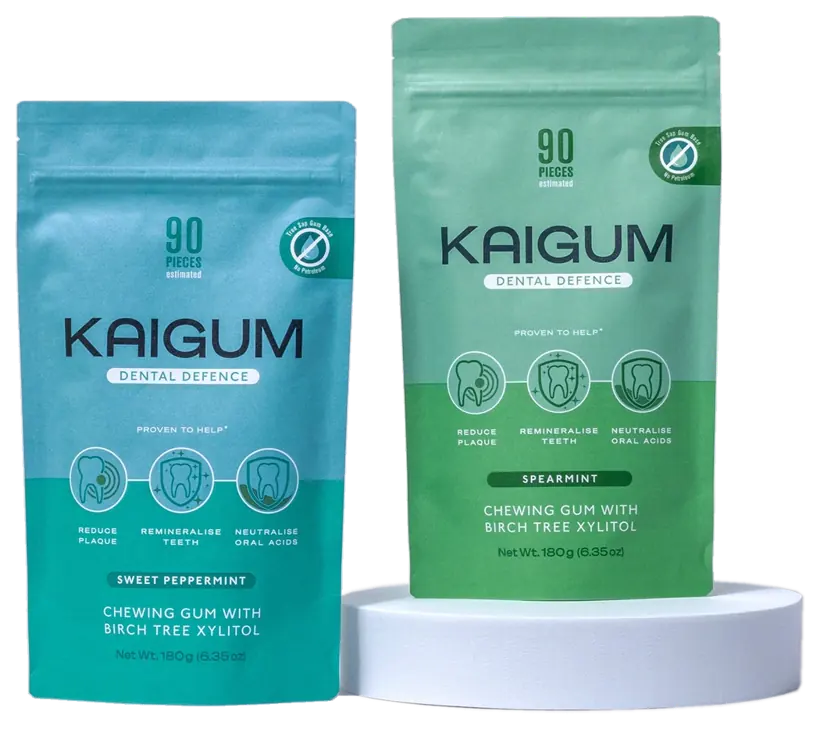
Spearmint offers a refreshing mint flavour, while Sweet Peppermint is a little milder, with a subtle hint of vanilla.
Both contain the same oral-health-focused formulation.
No. Kaigum contains xylitol, which is dangerous to dogs. Always keep your gum safely out of their reach and dispose of used pieces responsibly.
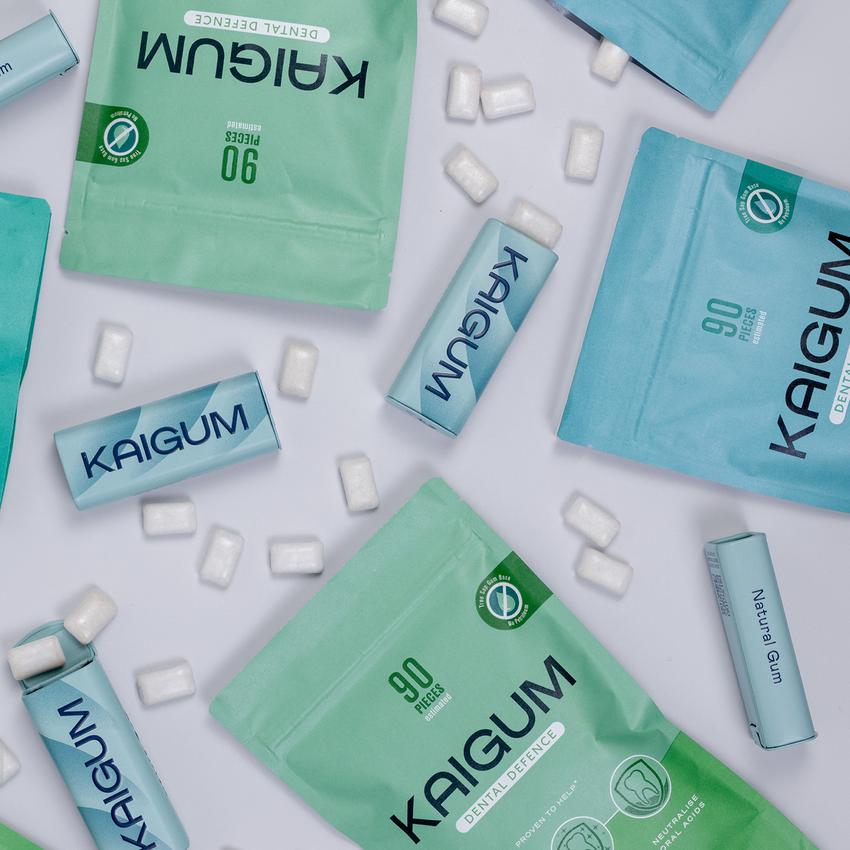
Brushing morning and night is just the start. Give your teeth and gums extra support throughout the day with Kaigum.
Free travel tin with your first order · Save 10% when you subscribe · Free UK delivery over £25
Shop KaigumResearch references*: 59% — Hujoel et al. (1999) · 46% —Akgül et al. (2020) · 21% —Al-Haboubi et al. (2012)